5 Signs Your North Wales Roof Is Telling You Which One It Needs
Deciding between a roof repair and a full roof replacement is one of the most common — and most important — decisions a property owner faces. From the street, a roof can look perfectly fine while quietly letting in water, rotting timbers and damaging insulation. Equally, a roof that looks rough may only need targeted repair work to see it through another 10–15 years.
At MG Roofing, we have carried out roofing work across North Wales for many years, covering everything from emergency repairs after Atlantic storms to planned full re-roofs on properties that had been patched one too many times. The honest answer is: there is no universal rule. But there are clear warning signs — and knowing them can save you thousands.
This guide walks you through exactly what to look for, what questions to ask, and how to make a decision you will not regret.
Not sure where your roof stands? MG Roofing offers honest, no-obligation roof assessments across North Wales. Call 07508 035608 or email us to arrange an inspection.
5 Signs Your Roof Needs Replacing, Not Just Repairing
Most roofing problems start small. The question is whether you are dealing with an isolated issue on an otherwise sound roof, or whether the roof as a system has reached the end of its useful life. These five signs tend to indicate the latter.
- Leaks keep coming back despite previous repairs. If you have had the same area patched more than once — or if new leaks appear shortly after a repair elsewhere — the problem is rarely the specific spot being fixed. It usually means the underlying felt, battens or flashing system has deteriorated across a wider area.
- Widespread tile or slate failure — not just a few slipped pieces. A handful of displaced tiles after high winds is a repair job. But if you are seeing cracking, moss sitting on large sections, or porous tiles that are absorbing rather than shedding water, the roof covering itself is failing.
- Visible sagging or an uneven roofline. Any dip, bow or visible distortion is a structural warning sign. This can indicate rotten roof timbers, failed battens, or issues with the roof structure itself. This should always be inspected professionally — and quickly.
- Persistent damp in the loft, even when it has not rained recently. This points to failed underlay. Modern breathable membranes allow vapour to escape but keep liquid water out. Older felt degrades, splits and allows moisture to settle. Once the felt has gone, the whole roof system is compromised.
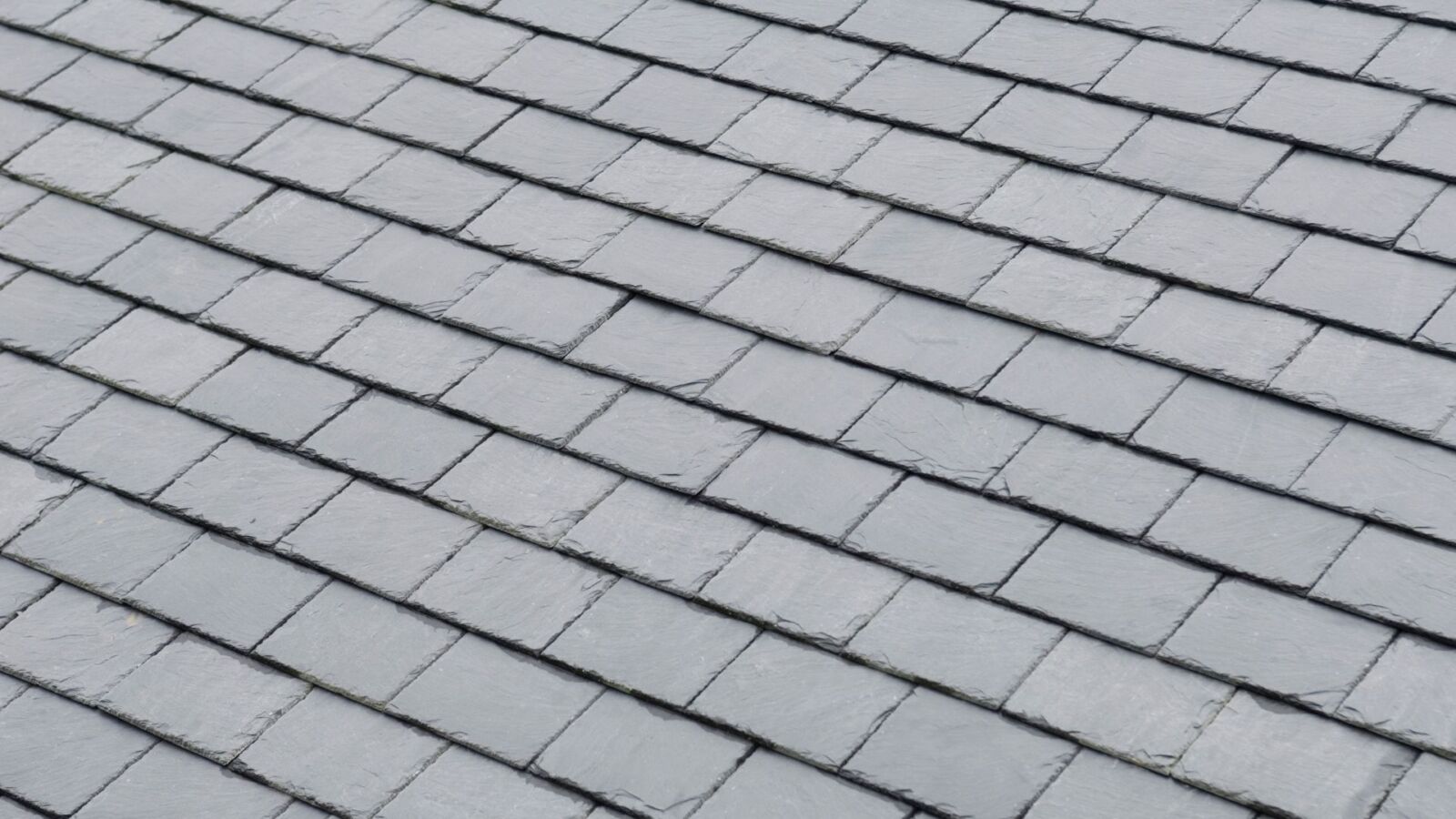
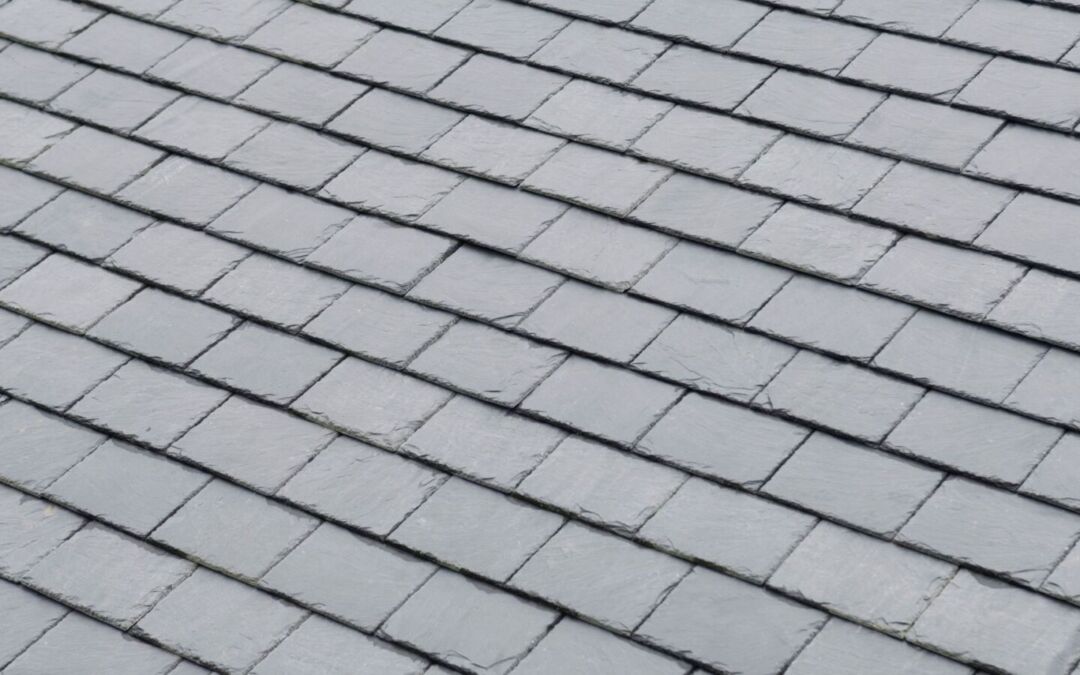
- The roof is more than 25–30 years old and has never been fully replaced. A well-installed slate roof can last 50–80 years or more. Concrete tiles typically last 25–40 years. Older felt flat roofs often start deteriorating after 15–20 years. Age alone is not a reason to replace, but combined with any of the above signs, it usually tips the balance.
The most costly mistake we see: homeowners continuing to pay for small repairs on a roof that has effectively failed as a system. Each repair might cost £200–£500. Over three or four years those callouts add up — and the roof still needs replacing. A properly planned replacement often works out cheaper in the long run, and comes with the peace of mind of a known lifespan.
When Roof Repairs Are Clearly the Right Choice
Repairs are often the best and most cost-effective option — particularly when the problem is isolated and the surrounding roof is in solid condition. A good repair on a sound roof can add years of reliable service.
Situations where repair is usually the right call:
- A small number of slipped, cracked or missing tiles after a storm
- A localised leak around a chimney, roof window or lead flashing
- Minor damage to a ridge or verge section
- Small areas of flat roof blistering or cracking on an otherwise sound surface
- Blocked or damaged guttering causing water to track back under the eaves
- A chimney that needs repointing or new lead flashing rather than full rebuilding
The key principle: if the issue is isolated, the underlying structure is sound, and the rest of the roof has significant life left in it, a repair is likely to be good value. Do not ignore small issues — a minor leak left unattended can damage insulation, rot battens, cause ceiling damage and create serious problems in a matter of months, especially through a North Wales winter.
Repair vs Replacement: A Quick-Reference Guide
| Situation | Likely Recommendation | Typical Timescale |
|---|---|---|
| A few tiles displaced by storm | Repair | Same day or within the week |
| Leak around chimney or flashing | Repair / leadwork | Non-urgent if minor, but book soon |
| Damaged ridge section | Repair | Within a few weeks |
| Recurring leaks, multiple locations | Replacement | Plan within 6–12 months |
| Visible sagging or structural distortion | Replacement + structural check | Urgent — inspect immediately |
| Widespread tile failure across the roof | Replacement | Before next winter |
| Old flat roof with cracking / blistering | Replacement (EPDM or GRP) | Plan within 3–6 months |
| Persistent damp in loft, failed felt | Replacement | Before prolonged wet weather |
Why North Wales Conditions Make This Decision Even More Important
North Wales is not an easy environment for roofs. Properties in coastal areas — particularly on Anglesey, around Llandudno and along the Gwynedd coastline — face a combination of challenges that can accelerate roof deterioration significantly compared to sheltered inland locations.
- Sustained coastal winds: Wind-driven rain can force water beneath even properly laid tiles when the pointing, flashing or underlay has weakened. Properties on exposed hillsides and coastal promontories are particularly vulnerable.
- Salt air: Properties within a kilometre or so of the coast can see accelerated corrosion of metal flashings, fixings and roof details. Lead work and metal components all need closer monitoring in these locations.
- Heavy and persistent rainfall: North Wales consistently records some of the highest rainfall in England and Wales. A roof that might manage adequately in drier conditions may fail under the sustained water load of a Welsh winter.
- Moss and lichen growth: Moisture, shade and the Welsh climate create ideal conditions for moss growth, which holds water against the tile surface and accelerates freeze-thaw damage and eventual porosity.
This is why material choice matters. A repair or replacement in Abergele or Beaumaris needs to account for the local exposure level — not just match whatever was there before.
Flat Roofs: What Are Your Options?
Flat roofs — common on extensions, garages, dormers and commercial properties — have their own set of considerations. Older felt systems installed 15–20 years ago are likely approaching the end of their reliable lifespan, particularly in a climate like North Wales.
Small blistered or cracked areas on a felt roof that is otherwise sound can often be repaired cost-effectively. But if the surface is cracking or blistering in multiple areas, if there is water pooling, or if the roof has already been patched several times, replacement with a modern system is almost always the better investment.
Modern flat roofing systems — particularly EPDM rubber roofing and GRP fibreglass roofing — are significantly more durable than older felt alternatives. Both create a fully waterproof, seamless barrier well suited to the wet conditions in North Wales. A quality EPDM installation can be expected to last 25–30 years or more with minimal maintenance.
We recently completed an EPDM flat roof replacement in Cemaes, on Anglesey, replacing a deteriorating felt system. The new installation improved waterproofing, reduced ongoing maintenance requirements and gave the property a significantly longer service life.
What a Proper Roof Replacement Actually Includes
A roof replacement is not simply nailing new tiles over old problems. Done properly, it treats the roof as a complete system and resolves the underlying causes of failure — not just the visible symptoms. Depending on the property, a full replacement from MG Roofing typically involves:
- Full removal of existing roof covering and disposal
- Structural inspection of roof timbers and rafters
- Replacement of any rotten or damaged battens
- Installation of a modern breathable roofing membrane
- New slates, tiles or coverings appropriate to the property and location
- Leadwork — valleys, flashings, abutments and soakers
- Ridge, verge and hip details
- Ventilation improvements where required
- Fascia, soffit and guttering replacement or repair where needed
Recent projects have included a tile re-roof with EPDM flat section in Moelfre, a complete roof replacement in Llanddona and a tiled roof replacement in Llanrwst. In each case, the most important work was not the new tiles themselves — it was the preparation underneath: the structure, the membrane, the detailing at the edges and junctions. That is where most roof failures actually begin.
Do Not Overlook Fascias, Soffits and Guttering
A roof replacement or major repair is the right moment to look at the whole roofline system. Fascias, soffits and gutters play a direct role in managing water and protecting the roof edge, wall tops and insulation from damp. Rotten wooden fascias, cracked soffit panels and dropped gutters are among the most common causes of damp in loft spaces and upper rooms — and they are often overlooked when people focus solely on the tiles.
MG Roofing provides fascia and soffit services alongside roof work, so the whole roofline can be addressed in one project.
Chimneys, Roof Windows and Leadwork
Some of the most persistent roof leaks have nothing to do with the main roof covering at all. Chimneys, roof windows, dormer junctions, valleys and lead details are the weak points of most roofs — the places where different materials and angles meet, and where water finds a way through if the detailing is not right.
Water entering at a chimney or roof window can travel some distance before it becomes visible inside, which makes these leaks particularly difficult to diagnose. In many cases, well-executed targeted work — new lead soakers, repointed chimney haunching, properly dressed valley lead — solves a persistent leak without any need for wider roof work.
MG Roofing provides chimney repairs and repointing, roof window installation and repair, and leadwork across the full range of roof junction types.
Frequently Asked Questions
How long does a new roof last in North Wales?
A properly installed natural slate roof can last 50–80 years or more. Concrete tiles typically last 25–40 years. Modern EPDM flat roofs are expected to last 25–30 years or more. The key word is “properly installed” — good materials poorly detailed will fail far sooner than modest materials put on correctly.
Can I repair just part of my roof or does it all need replacing at once?
Yes, partial re-roofs are sometimes the right answer — particularly on larger roofs where one slope has deteriorated faster than another due to exposure or previous poor workmanship. We will advise on this if it is the most practical option for your property.
My roof is leaking but I cannot see any damaged tiles. What is happening?
The most common culprits are failed flashing around chimneys, valleys or skylights; deteriorated underlay; lifted ridge or verge pointing; or blocked gutters causing water to back up under the eaves. Water often enters in one place and appears inside somewhere quite different — a proper inspection is the only reliable way to find the source.
How long does a roof replacement take?
A typical full re-roof on a three-bedroom semi-detached property usually takes 3–6 days, depending on size, complexity and weather. Flat roof replacements on garages or extensions are often completed in a single day. We will give you a realistic programme when we provide your quote.
Do I need planning permission for a roof replacement in North Wales?
In most cases, replacing like-for-like does not require planning permission. However, if the property is in a conservation area, is a listed building, or if you are changing the roof material or profile, you will need to check with the relevant local authority. We can advise on this as part of our assessment.
Is moss on my roof a sign I need a replacement?
Not necessarily on its own. Moss is common in the Welsh climate and does not always indicate tile failure. However, heavy moss growth holds moisture against tiles, accelerates freeze-thaw damage and can eventually cause porosity. It is worth having the roof assessed to understand the underlying condition.
Areas We Cover
MG Roofing provides roofing services across a wide area of North Wales, with particular experience in coastal and exposed upland locations where weather conditions place the greatest demands on roofing systems.
- Anglesey — coastal and rural properties
- Llandudno and the Conwy coast
- Conwy town and surrounding villages
- Bangor and surrounding Gwynedd
- Colwyn Bay and Rhyl
- Llanrwst and the Conwy Valley
- Betws-y-Coed and upland rural areas
- Denbighshire
Get an Honest Assessment of Your Roof
If you are unsure whether your roof needs repairing or replacing, MG Roofing can help. We will assess the condition of your roof and give you a straight answer — whether that is a simple repair or a properly planned replacement. We believe in honest advice: if repair is the right option, we will say so.
Call: 07508 035608
Telephone: 01248 422698
Email: [email protected]
Website: www.mg-roofing.co.uk