

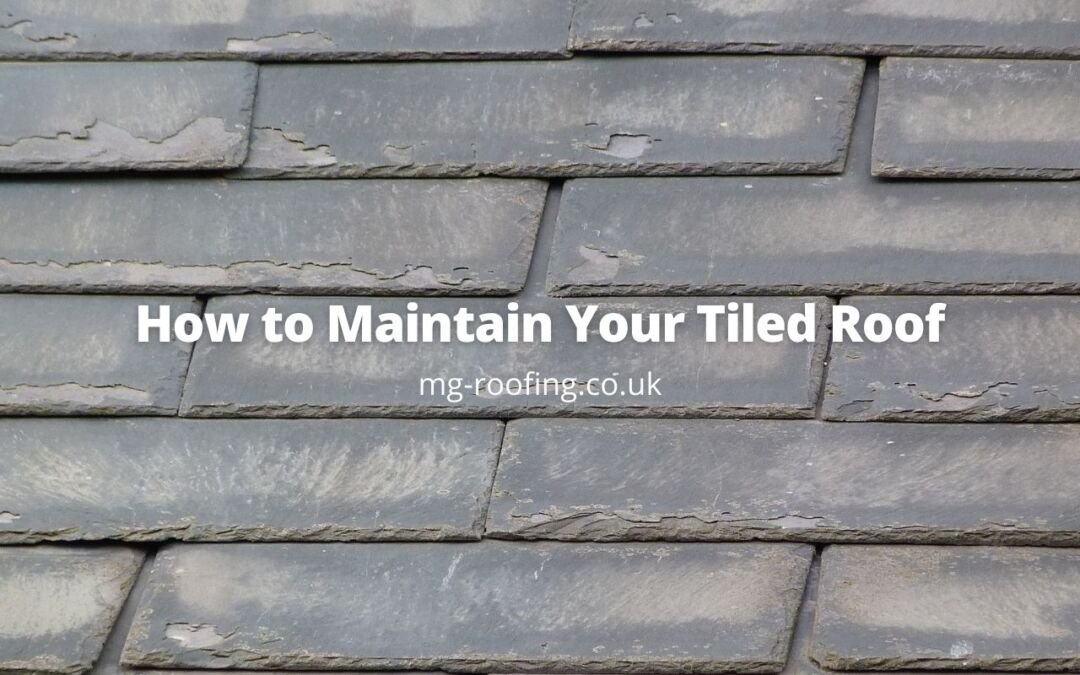
The beauty of tile roofing is how little maintenance it requires. As the homeowner, you aren’t required to worry about tile roof maintenance each month. However, you shouldn’t neglect it either. In the same way that you take care of the inside of your home with regular maintenance, you should also take care of your roof. After all, your roof protects everything inside of your home, including you.
For many homeowners, the roof is often out of sight and out of mind until something goes wrong. Unfortunately, by the time visible signs of damage appear inside the property, the issue may already have developed into a much larger and more expensive problem. Regular roof maintenance is one of the most effective ways to extend the life of your roof, reduce long-term repair costs and prevent unexpected leaks or structural issues.
Tiled roofs are designed to last for decades, especially when installed correctly and maintained properly. Clay tiles, concrete tiles and traditional pantiles are all highly durable roofing materials capable of withstanding years of harsh weather. However, every roofing system is exposed to rain, frost, wind, UV exposure, debris, moss growth and seasonal temperature changes. Over time, even the strongest roofs will require inspections, maintenance and occasional repairs.
In North Wales particularly, roofs are subjected to some of the harshest weather conditions in the UK. Coastal winds, driving rain, winter frost and storms can all accelerate roof wear if small issues are ignored. This is why preventative maintenance is so important.
Whether your property has a traditional tiled roof, modern interlocking tiles, or a combination of tile and Welsh and Spanish slate roofing, maintaining the roof correctly will help preserve both the appearance and structural integrity of your home.
Why Roof Maintenance Matters
A roof is not simply a layer of tiles protecting your home from rain. A complete roofing system includes underlay, battens, fixings, flashing, ventilation, ridges, hips, valleys, gutters and drainage systems all working together.
If one part fails, the rest of the roof can quickly become vulnerable.
For example:
- A slipped tile may allow water to reach the underlay
- Blocked gutters can cause water overflow into walls and loft spaces
- Failed lead flashing may create leaks around chimneys
- Moss growth can block drainage channels
- Poor ventilation can create condensation and damp problems
- Loose ridge tiles can become dangerous during storms
Regular maintenance identifies these problems before they develop into larger structural issues or emergency call-outs.
In many cases, a simple repair completed early can prevent the need for a complete roof replacement later on.
Here are some basic maintenance tips for your tiled roof:
Get regular inspections
It is not a good idea to climb onto your roof to check if tiles are missing or cracked. One misstep could result in either accidentally breaking a tile or seriously injuring yourself if you fall. Having your roof inspected by a licensed roofing contractor at least once or twice a year will enable him to identify even the smallest cracks in your tiles while adhering to the correct safety procedures during his time on your roof.
Most roofing professionals recommend inspecting a tiled roof twice yearly, ideally during spring and autumn. Spring inspections help identify damage caused by winter storms, frost and heavy rain, while autumn inspections prepare the roof before the colder months begin.
It is also sensible to arrange inspections after major storms or high winds. Even if the roof looks fine from ground level, there may be slipped tiles, lifted ridges or damaged flashing that is not immediately visible.
Professional roof inspections typically include checks for cracked tiles, damaged ridges, deteriorating mortar, blocked valleys, failed lead flashing, signs of condensation and hidden leaks within the loft space.
At MG Roofing, our roof maintenance in North Wales services are designed to identify problems early and help homeowners avoid unnecessary repair costs.
Clear up debris
As a result of strong winds, leaves and other debris can settle on your roof tiles and eventually end up in your gutter. You should keep your gutters clear to prevent any water from overflowing, especially before winter starts. The overflowing water may end up leaking into your home and compromising the integrity of your roof. Although you could potentially clean your gutter if you wanted to. It poses its own hazards and safety concerns as well, especially if the gutter is completely clogged. You can also reduce the amount of debris you need to clear your roof by trimming tree branches that hang over the roof. This is also true for flat roofs.
Debris accumulation is one of the most common causes of preventable roofing issues. Leaves, moss, twigs and dirt can gather in roof valleys, drainage channels and gutters, restricting the flow of rainwater and increasing the likelihood of leaks.
Blocked gutters can cause water to overflow down external walls, damage masonry and create damp problems inside the property. Overflowing rainwater may also damage roof timbers, insulation and plasterwork over time.
Homes surrounded by trees often require more frequent gutter maintenance, especially during autumn and after storms. Regularly trimming overhanging branches can reduce debris build-up and lower the risk of branches damaging tiles during high winds.
MG Roofing can also help with fascias and soffits, making sure the wider roofline system continues to protect your home properly.
Roof cleaning
As great as it feels to do a quick spring clean indoors, your tiles need the same kind of attention. If you don’t maintain your tiled roof regularly, you’ll end up with a roof that looks a little green around the edges. Eventually, you’ll see your roof turn a rather murky green colour as a result of tiles becoming hosts to algae. Even if you do end up cleaning it, if it is left for too long your roof may end up with streaks.
Moss, algae and lichen growth are common on tiled roofs throughout the UK, particularly in damp or shaded areas. North-facing roof slopes and properties surrounded by trees are often more susceptible because moisture remains on the roof surface for longer.
While light moss growth is not always immediately harmful, excessive growth can trap moisture, block drainage paths and accelerate deterioration of roof materials. Moss can also force itself between tile joints, especially during freezing weather when trapped moisture expands.
Many homeowners make the mistake of using pressure washers to clean roof tiles. Unfortunately, high-pressure washing can crack tiles, strip protective coatings and force water beneath the roof covering. Aggressive scraping methods can also damage tiles and shorten the lifespan of the roof.
Professional roof cleaning methods are designed to safely remove harmful organic growth without compromising the roof itself. In many cases, the goal is not simply cosmetic improvement, but ensuring water can drain effectively from the roof surface.
For more detail on safe cleaning methods, read our guide to cleaning your roof.
Roof repairs
Broken tiles found at the right time can save you from more expensive costs in the future. It is important to replace any broken tiles as soon as you see them to maintain the aesthetics of your roof. Read our comprehensive blog about pantiling today.
A single cracked or missing tile may appear minor, but even small openings in the roof covering can allow water into the underlying structure. Once moisture reaches the underlay, battens or insulation, more extensive damage can occur.
Common causes of roof tile damage include:
- Storm and wind uplift
- Falling branches or debris
- Foot traffic during maintenance work
- Age-related deterioration
- Incorrect installation methods
- Freeze-thaw weather cycles
Correct tile replacement is extremely important. Different tile manufacturers use slightly different profiles, dimensions and interlocking systems. Using poorly matched replacement tiles can compromise weather resistance and create additional weak points.
Where damage is more extensive, it may be worth considering whether roof replacement or roof repair is the better long-term option.
The importance of roof ventilation
Ventilation is one of the most overlooked aspects of roof maintenance.
Even if a roof appears weather-tight externally, poor airflow within the loft space can create condensation problems internally. Warm air rising from the property below may condense on cold surfaces within the roof void, particularly during winter.
Signs of poor roof ventilation include:
- Condensation on underlay or timbers
- Mould growth within loft spaces
- Musty smells
- Damp insulation
- Rotting roof timbers
Roof ventilation systems should be inspected regularly to ensure vents and airflow pathways remain unobstructed. This is particularly important in modern insulated homes and loft conversions.
Lead flashing, ridges and vulnerable roof areas
The most vulnerable parts of a tiled roof are often the junctions and perimeter details, including ridges, hips, valleys, verges and flashing around chimneys or roof windows.
These areas experience increased exposure to wind uplift and water penetration. Mortar bedding can crack over time, ridge tiles can loosen, and flashing can deteriorate or lift away from the surrounding structure.
MG Roofing also specialises in lead work and flashing repairs, helping homeowners maintain weather-tight seals around chimneys, walls and roof penetrations.
If your property has chimney issues, our guide to signs your chimney needs repairing explains what to look out for.
If your property has roof windows installed, maintaining the surrounding flashing and seals is equally important. Improperly maintained roof windows can allow water ingress and draughts over time. Our guide on what to know before installing roof windows explains some of the key considerations.
Roof maintenance after storms
Storm damage is one of the leading causes of roofing problems across North Wales. Strong winds can loosen tiles, dislodge ridges and damage flashing, while heavy rain may expose weak points that were previously unnoticed.
After severe weather, homeowners should look out for:
- Tiles or debris on the ground
- Visible slipped or missing tiles
- Damp patches or leaks internally
- Overflowing gutters
- Loose ridge tiles
- Changes in roof alignment
Even when damage is not visible from ground level, hidden issues may still exist. A professional inspection following storms can identify small issues before the next spell of bad weather causes larger leaks.
If your roof has been affected by bad weather, our guide to dealing with roof damage after a storm explains the next steps homeowners should take.
We have also shared advice on roof repairs following Storm Darragh, which is particularly relevant for homeowners dealing with wind-related damage.
For broader seasonal advice, our guide to how weather affects your roof explains how rain, wind, frost and heat can all impact roof performance.
DIY roof maintenance vs professional roofing services
While some basic visual checks can be carried out safely from the ground, roofing work should generally be left to professionals.
Roofs should always be treated as fragile surfaces. Walking incorrectly on tiled roofs can crack tiles, damage fixings and create hidden weaknesses that may not become apparent until later.
DIY roofing work also carries significant safety risks, particularly on steep roofs or during wet weather conditions.
Professional roofing contractors use:
- Roof ladders
- Scaffolding systems
- Mobile access platforms
- Safety harnesses
- Working-at-height safety procedures
Read our article on DIY roofing hazards to understand why most roof work is best left to trained professionals.
How long should a tiled roof last?
When installed correctly and maintained properly, tiled roofs can last for many decades.
Approximate lifespans include:
- Concrete roof tiles: 50 to 70 years
- Clay roof tiles: 70 to 100+ years
- Welsh slate roofs: often 100+ years
However, roof lifespan depends heavily on installation quality, environmental conditions and ongoing maintenance.
Ignoring small issues almost always shortens roof lifespan significantly. Moss build-up, failed flashing, blocked gutters and unnoticed leaks can all accelerate deterioration if left unresolved.
If you are unsure whether your roof requires maintenance, repairs or replacement, our roofing FAQs may help answer common questions.
In the case of a storm, there should be the immediate and professional repair of any damage that could lead to water speeding inside your home. If you install and maintain your tile roofs properly, they will last far beyond their guaranteed life. If the damage or time passed is too great, then you may have to replace your roof. This goes not just for tiles but both Welsh and Spanish slates too!
Whether your roof requires minor repairs, preventative maintenance or a complete replacement, dealing with issues early is always the safest and most cost-effective option.
Professional tiled roof maintenance in North Wales
MG Roofing can help you maintain your tiled roof, especially if you discover damage that requires repair work. In this way, you will be able to extend the life of your tile roof and save money in the long run.
At MG Roofing, we work on a wide range of slate and tile roofing projects across North Wales, from small repairs to full roof replacements.
We also provide flat roofing services for extensions, garages and modern property upgrades.
Alongside tiled roofs, our team can assist with chimney work, lead flashing, fascias, soffits and general roof maintenance.
If you have noticed slipped tiles, moss growth, damp patches, overflowing gutters or signs of storm damage, contact MG Roofing today for a free, no-obligation quote.