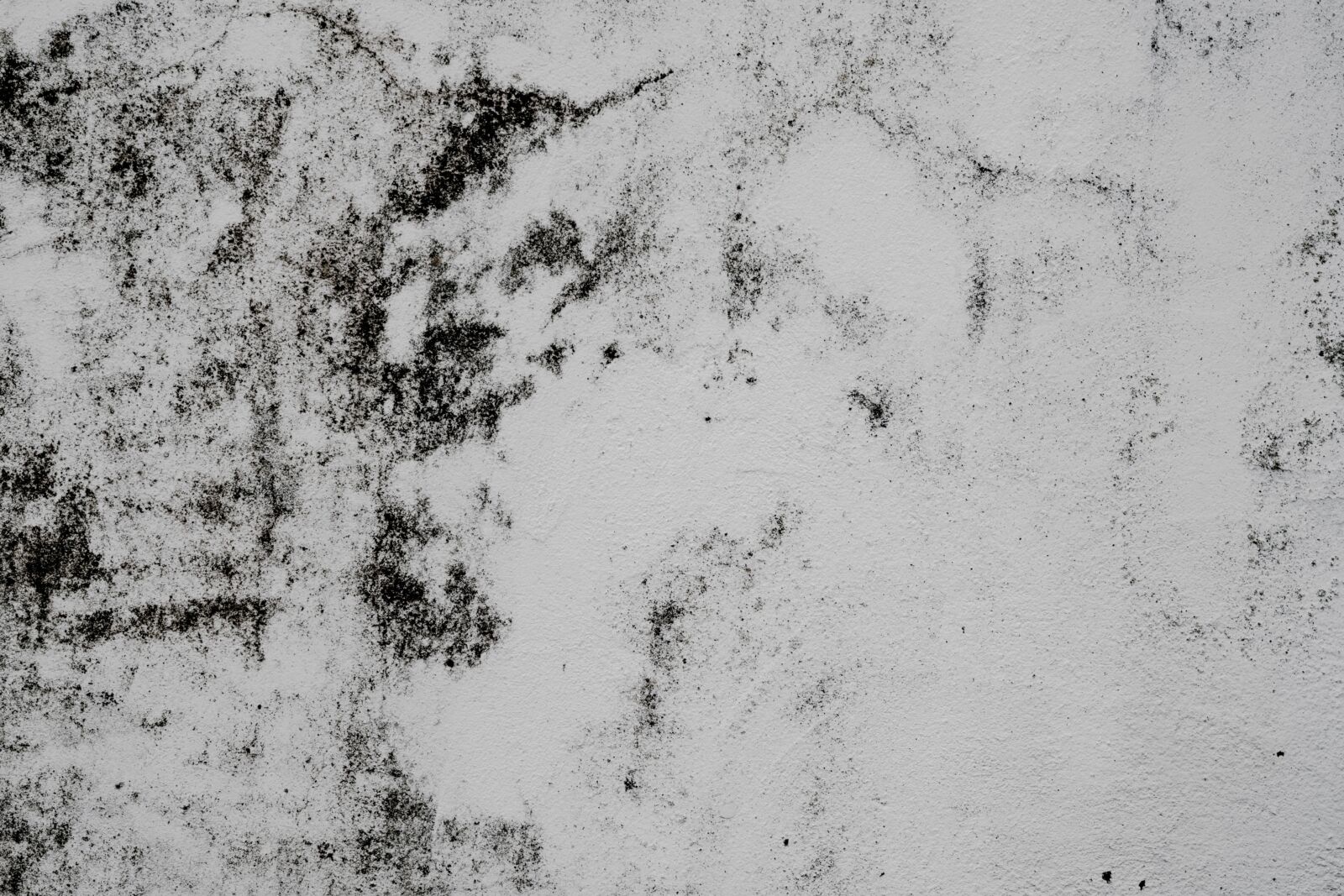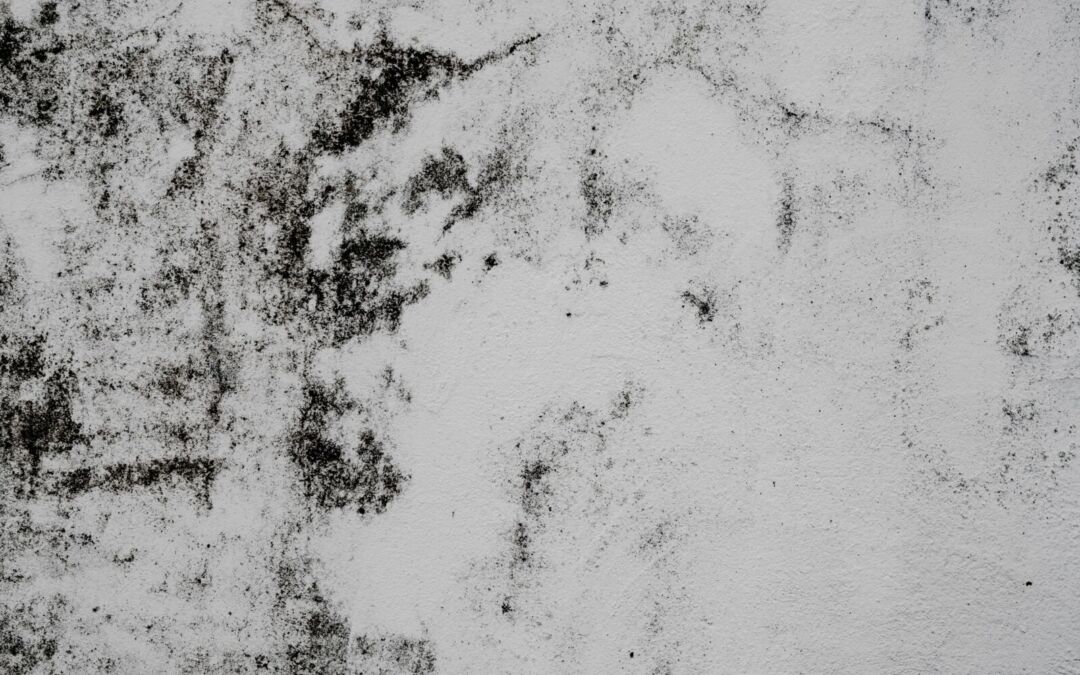
Finding a new patch of mould is a common sight for many homeowners, especially during the spring and late summer months when humidity is at a high. Mould is water-related damage, so it is vital you keep the health of your roof in check to keep the moisture out of your home.
Older homes and large commercial properties are more likely to have mould issues, so you should get the roofs of these buildings inspected relatively frequently. On top of this, to prevent mould further, you should learn which conditions support its growth – so you can keep an eye out for signs.
What causes mould?
Mould thrives in warm, damp, and humid environments. It spreads across surfaces by releasing spores into the air. This is why it grows well in poorly ventilated places like basements, attics, and small areas which catch excess moisture. They also grow on wood and drywall if it becomes damp.
Mould is pretty easy to spot, appearing in patches of black, brown, and dark green, and creating a musty odour. There are four types of indoor mould that are popular to find in homes; penicillium, aspergillus, Cladosporium, Alternaria. They each have their own characteristics but are usually causes by the same issues with home maintenance such as:
- Heavy rainfall and flooding
- Poor drainage from blocked gutters.
- Leaky appliances such as dishwashers and washing machines.
- Damaged pipes and plumbing failures.
- Missing or broken roof shingles.
Mould can survive in quite harsh and grim environments that wouldn’t usually support growth. This means that you will need to be proactive with your maintenance if you want to keep it away.
Is Mould Dangerous?
Mould can spread extremely fast. It might not damage your walls but it is associated with dry rot that deteriorates the strength of wood. If dry rot is widespread in your home it can force you to have certain things like your roof structure rebuilt.
Mould can also cause health issues and is linked to respiratory problems. Homeowners with severe mould cases can experience wheezing, red eyes, irritated and itchy skin and eyes, and a blocked nose. If you are allergic for the mould symptoms can be a lot worse.
How Can I Prevent Mould From Taking Over My Home?
The easiest way to keep mould out of your home is to stay on top of it maintenance and sort out any signs of water damage. Keeping your roof in top condition will greatly reduce moisture entering your home – this is more important for old or refurbished properties where you would need to more frequently replace roof shingles.
Other ways to prevent mould include:
- Replace leaky appliances
- Inspect taps and hoses for leaks
- Clean humid rooms with bleach
If you have any issues with mould which you think are related to water damage from your roof, make sure to get in touch and we will do our best to assist you.