At MG Roofing, we are roofing specialists, and many years of experience in producing quality, trustworthy solutions. We understand that there is a lot to take in when getting a new roof, roof replacement, and even sometimes just getting something fixed.
Using our knowledge, we’ve answered some of the most frequently asked questions to do with roofing and tried to make things a little simpler for you.
What are the different roofing solutions and how are these unique?
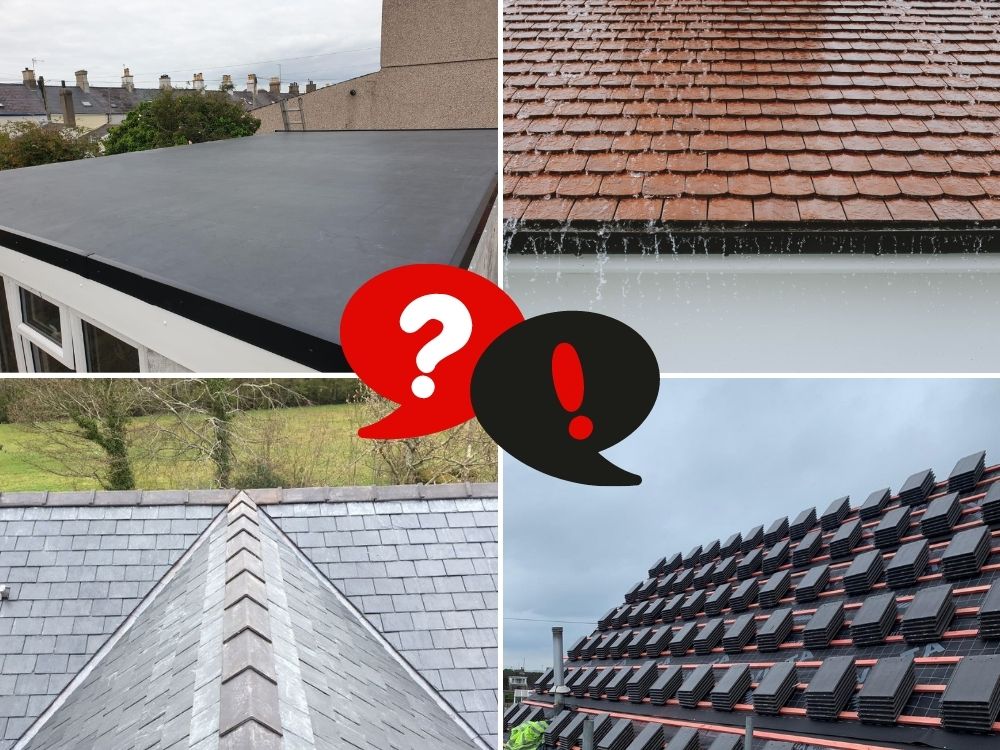
There is a wide range of different roofing solutions – if we listed them all, we’d be explaining an awful lot. Most roofing materials all have a certain quality which makes them more appropriate for certain situations. Some are best suited to domestic houses, whilst others are better for industrial units, for example.
Different roofing solutions include;
- Roof tiles reduce overlapping, reducing the overall weight of a roof, (some older buildings need to consider this).
- Clay tiles are easily mouldable, so work well in roofs that feature curves and finer details.
- Stone tiles are more often used for historic buildings. They require a higher roof pitch as they are more porous than other materials, so need the water to slide off as much as possible.
- Slate roofing is a simple and economical solution, which provides great protection for your home, lasting the entire lifespan of your house.
- Rubber roofing is particularly suitable for flat sections of roofs such as dormers, sheds, and balconies.
Do I need to get a leaky roof replaced?
Chances are you won’t need the whole roof replaced if it’s leaking. A leak will often just be the result of a missing or broken tile/slate, a chimney stack issue, or potentially flashing which needs replacing.
If you get your roof regularly inspected, you can address any issues before they lead to leaks or further damage. A good rule of thumb is to get this done every six months, before a season of bad weather.
I’ve lived in my home for many years, do I need a new roof?
If you’ve never had your roof replaced and you’ve lived on your property for many years, then you should think about the signs which indicate that you need a new one. If any apply to your roof, then it’s time to call your roofer.
- You have an asphalt roof that hasn’t been replaced in over 30 years.
- Your tiles/shingles are curving up at the ends or middle.
- You have multiple tiles missing from your roof.
- You can see light coming through to your attic.
- There is structural sagging.
How long will it take for my roof to be replaced?
On a standard-sized 3-bedroom house, replacing roof tiles can take around 3 to 4 days. Slate roofing is a more specialist job and requires extra care, so you can expect this to last up to 2 weeks.
What are the benefits of regular roof maintenance?
Regular maintenance of your roof can significantly extend its lifespan, saving you money and hassle in the long term. By scheduling routine inspections, small issues such as minor leaks, loose or damaged tiles, and other wear-and-tear can be addressed promptly before they escalate into larger, more expensive repairs. Regular checks also ensure your roof remains efficient in insulation and waterproofing, which can improve energy efficiency in your home. Additionally, well-maintained roofs contribute to the overall aesthetic and curb appeal of your property, potentially increasing its value. Remember, a small investment in roof maintenance now can prevent costly emergency repairs in the future.
How can I choose the right roofing material for my home?
Selecting the right roofing material is crucial for both the performance and the aesthetic appeal of your home. Consider the climate in your area; materials like slate and clay tiles are excellent for hot climates as they resist heat, while metal roofing can be ideal for areas prone to heavy snowfall due to its strength and durability. The architectural style of your home should also influence your choice, as certain materials complement specific designs better than others. For instance, traditional homes may look best with slate or tile roofs, while modern homes could benefit from metal or rubber roofing. Don’t forget to factor in the lifespan and maintenance requirements of each material, as well as your budget. Consulting with a roofing specialist can provide personalized advice and help you make an informed decision that suits your home’s needs and your personal preferences.
If you have any further questions, please feel free to contact us.