When it comes to choosing the best roofing option for your property, there are a variety of factors to consider, from aesthetics and cost to durability and maintenance. The two most common types of roofs are flat roofs and pitched roofs. Each offers distinct advantages, but determining which is best for your property depends on your specific needs and the climate in your area.
In this article, we’ll compare flat roofs and pitched roofs, helping you decide which option is ideal for your home or business.
What is a Flat Roof?
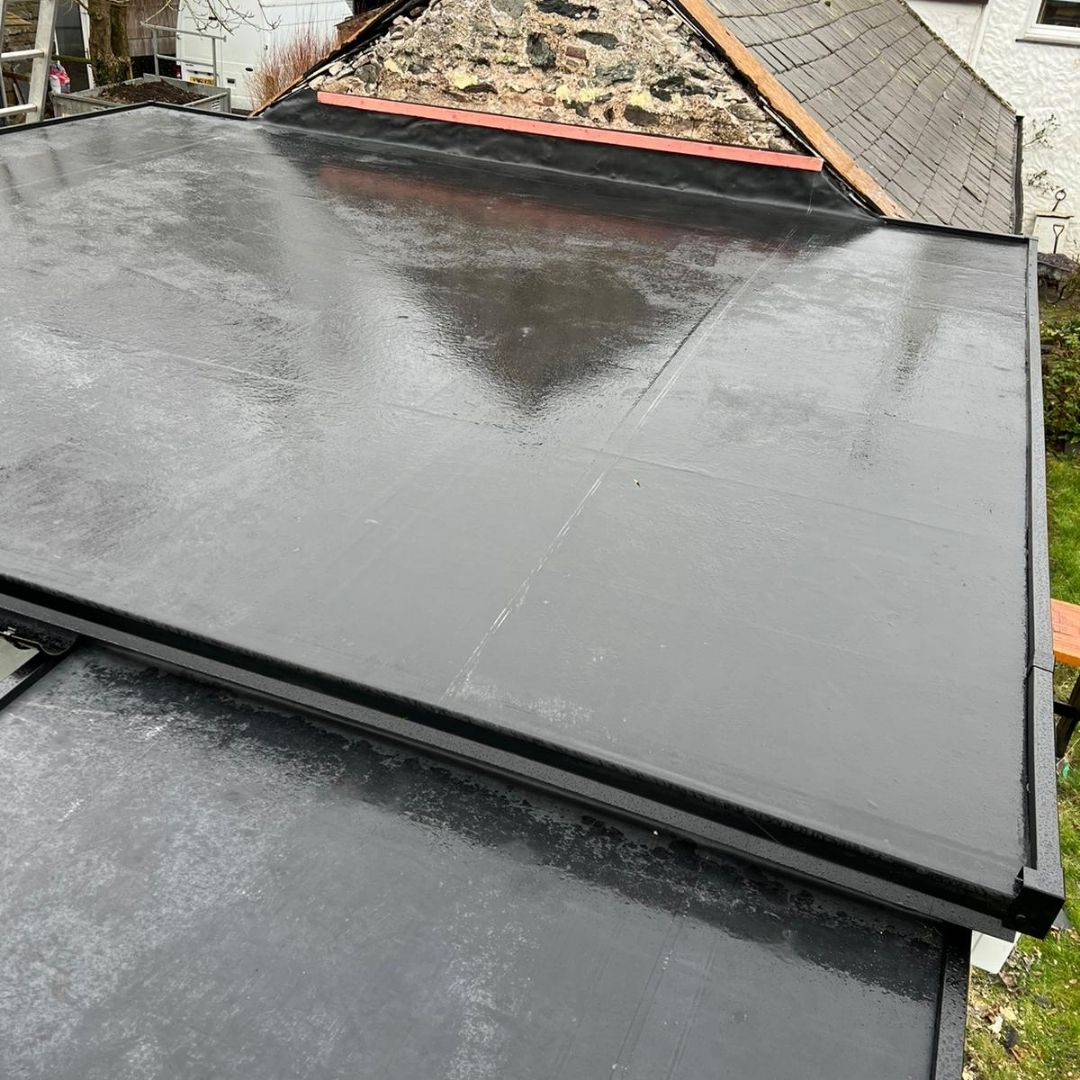
A flat roof is exactly what it sounds like—a roof with a slight incline or no slope at all. These roofs are typically used on modern buildings, extensions, and garages, but they can also be found on commercial properties. Flat roofs are often constructed using EPDM (rubber membrane) or fibreglass for durability and waterproofing.
Advantages of Flat Roofs:
Cost-Effective: Flat roofs generally cost less to install compared to pitched roofs because they require less material and labour.
Extra Usable Space: A flat roof can be transformed into a rooftop garden, terrace, or even for solar panel installation.
Sleek, Modern Look: Flat roofs complement modern architectural styles, offering a minimalist aesthetic.
Easier to Install Roof Windows: Flat roofs can accommodate roof windows for natural light without the challenges of a sloped roof.
What is a Pitched Roof?
A pitched roof, on the other hand, has a significant slope and is typically made from tiles, slates, or metal sheeting. These roofs are often associated with more traditional building styles, from cottages to large homes. The steeper the pitch, the more effective the roof will be at shedding water and snow.
Advantages of Pitched Roofs:
Better Water Drainage: The sloped design of pitched roofs allows rainwater and snow to naturally slide off, reducing the risk of water pooling and potential leaks.
Longevity: Pitched roofs generally last longer than flat roofs, particularly if you use durable materials like slate or tile.
Increased Insulation: The angled design of a pitched roof creates a natural air gap, providing better insulation for your home.
More Attic or Loft Space: Pitched roofs offer more attic or loft space, ideal for storage or potential room conversions.
Flat Roofs vs. Pitched Roofs: Pros and Cons
Let’s break down the benefits and drawbacks of both roof types to give you a clearer idea of which might be right for your property:
| Feature | Flat Roof | Pitched Roof |
|---|---|---|
| Cost | Generally more affordable to install | More expensive due to complex design and materials |
| Maintenance | Easier to maintain, but requires regular inspections for leaks or pooling water | Requires less frequent maintenance but can be costly to repair |
| Longevity | Typically lasts 20-30 years with proper maintenance | Lasts longer, often 40-50 years or more |
| Aesthetics | Sleek, modern, and perfect for contemporary homes | Traditional look that complements older or classic styles |
| Durability in Harsh Weather | Less effective in heavy snow and rainfall, especially if drainage is not well managed | Better suited to wet, snowy climates due to natural water runoff |
| Extra Space | Can provide additional rooftop space (e.g., for gardens, solar panels) | Offers attic space, which can be used for storage or converted into living areas |
| Water Drainage | Requires proper drainage system to avoid leaks | Excellent natural water drainage due to the slope |
Which Roof Is Right for You?
When choosing between a flat roof and a pitched roof, consider these factors:
Climate: If you live in an area with heavy rainfall or snow, a pitched roof may be the better choice because it can shed water more effectively. For properties in North Wales, which experience a fair amount of rainfall, a pitched roof can help avoid water pooling and potential leaks.
Building Style: Modern homes or commercial buildings often benefit from flat roofs for their clean, minimalist appearance. Traditional properties, particularly older houses, are usually better suited to pitched roofs, which align with the classic architectural style.
Budget: Flat roofs in North Wales are often more cost-effective, especially for smaller buildings, extensions, or garages. Pitched roofs, while more expensive to install, provide long-term value due to their durability and insulation properties.
Future Plans: If you’re looking to convert your attic or need more storage space, a pitched roof could provide the extra room you need. A flat roof, however, could be used for a rooftop garden or solar panel installation, offering a different kind of additional space.
Professional Roofing Solutions in North Wales
If you’re unsure about which type of roof is best for your property, a professional roofing consultation can help guide your decision. Experienced roofers can assess your building, take local weather conditions into account, and recommend the most suitable roofing system for your needs.
In North Wales, where weather can be unpredictable, it’s essential to have a roof that is not only durable but also suited to the region’s specific needs. Whether you choose a flat roof or a pitched roof, working with experienced roofing professionals ensures that your roof will be installed properly and maintain its integrity for years to come.
Get in touch with flat roof specialists in North Wales today for expert advice and services tailored to your property’s needs.
Visit Flat Roof Specialists North Wales for more information.