

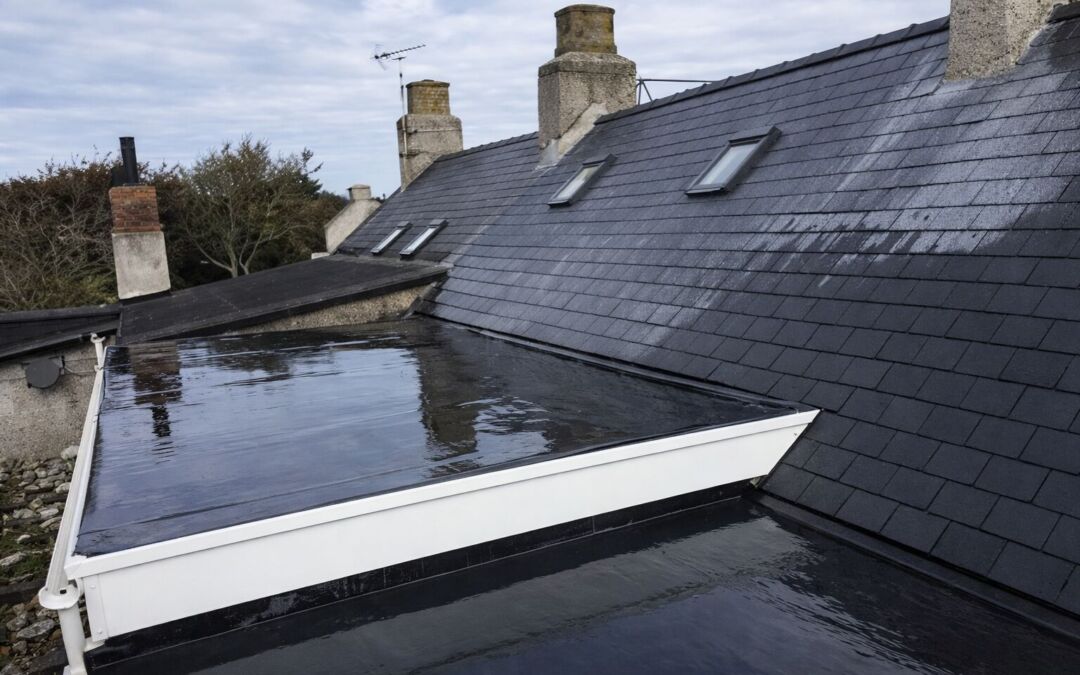
How Does the Weather Affect My Roof?
In the UK, it’s unlikely for us to experience severe weather conditions like tornados and hurricanes. But that doesn’t mean the weather we do get doesn’t affect our roofs in a few different ways. As the seasons come and go, the hot and cold conditions take their toll on the health of our roofs. It’s good practice to get your roof checked fairly often, so you don’t end up having larger issues.
Your roof is the first line of defence against the elements, and over time every type of weather — sun, rain, wind, frost and even mild temperature changes — can gradually weaken materials and joints. Small problems can easily develop into leaks, damp, or structural damage if left untreated, which is why regular inspections and maintenance are essential for extending your roof’s lifespan.
Below, we explain how both hot and cold weather conditions can affect your roof, along with practical tips to help you protect your property all year round.
How Can Hot Weather Affect a Roof?
It might seem like your roof is fine baking in the summer sun, but this season is pretty intense. Things which can affect your roof during summer include:
- UV Exposure
- Thermal Shock
- Plant Growth
UV Exposure
Over long periods of time, the UV rays can dry out your roof, causing shrinkage and damaging the wooden structures. The tiles will experience similar issues in the sun too. Luckily a well-maintained roof can deal with this for many years.
However, continuous exposure to sunlight can make roof tiles brittle, fade their protective coating and reduce their ability to repel water. Felt and flat roofing systems are especially vulnerable to cracking when they become dry, which can eventually allow moisture to penetrate below the surface.
Routine checks during and after warm spells can help identify early signs of wear before they turn into costly repairs.
Thermal Shock
This occurs when the temperatures are very high in the day, but drop rapidly at night time. This makes the roofing materials expand and contract quickly, damaging the structural integrity.
Thermal shock is most common during prolonged warm periods, where materials are repeatedly stretched and compressed. Over time this movement can loosen fixings, weaken joints and create small gaps between tiles or flashing.
Even if the roof looks fine from the ground, hidden stress fractures may be forming underneath — which is why professional inspections are always recommended.
Plant Growth
If your roof is not maintained, it may have some moisture trapped under the main structures. With the warm summer sun moss and mould can grow quickly.
Plant and moss growth can also block gutters and downpipes, preventing rainwater from draining away effectively. This extra moisture can soak into timbers, accelerate decay and place unnecessary weight on the roofing structure.
Regular cleaning, especially around shaded areas, valleys and guttering, is one of the simplest ways to prevent long-term roof damage in summer.
How Can Cold Weather Affect a Roof?
The cold months bring a greater chance of rain, wind and snow. The ways that cold weather can affect your roof include:
- Rainy Days
- Snow Flurries
- High Speed Winds
Rainy Days
Constant rain can take its toll on your roof. You must make sure that it is draining efficiently, and is not collecting pools of water. You need to check the drains are not filled with blockages. This can be difficult on your own, but one of our qualified roofers can help.
Persistent rainfall can also expose weaknesses that may not be visible during dry conditions, such as cracked tiles, loose flashing, or damaged underlay. Where water is allowed to collect, the risk of leaks, damp and internal water staining increases significantly.
A seasonal roof health check before winter arrives is one of the best ways to avoid unexpected problems.
Snow Flurries
Snow can’t drain off a roof like water does, and when it builds up it can become quite heavy. Don’t try to knock the snow off, as you could damage the tiles. If you are worried, you can contact us and we can advise you on the best method.
As snow begins to melt and refreeze, it can create ice dams around guttering and roof edges. This traps water behind the frozen layer, forcing it back underneath tiles and into the property. Even a small amount of snow or ice can cause issues if the roof is already weakened.
Professional assessment is always safer than attempting to remove snow yourself.
High Speed Winds
High speed winds can misplace and loosen the tiles on your roof. The best way of protecting your roof is to check the tiles before periods of bad weather, and make sure they are secured down properly.
Strong winds can also lift flashing, damage ridge tiles and dislodge debris onto the roof surface. Once a single tile becomes loose, surrounding tiles are far more likely to fail during the next storm.
If you notice movement, rattling tiles, or debris on the ground after bad weather, it’s important to arrange an inspection as soon as possible.
How to Protect Your Roof Through the Seasons
To keep your roof in good condition all year round, we recommend:
- Scheduling routine roof inspections
- Keeping gutters and drains clear of moss and debris
- Checking roof tiles before winter or severe weather
- Treating small repairs early to avoid structural problems
- Monitoring any visible cracks, dips or staining inside the property
Preventative maintenance is almost always cheaper and safer than emergency repairs.
Need Help or Roof Damage Advice?
If you require further advice, or need help on your roof due to weather damage – contact us and we will do our best to assist you.
We provide professional roof inspections, maintenance and repairs across North Wales and the surrounding areas, helping homeowners protect their properties in every season.
